Include both language groups from the beginning
Language planning starts with the invitation and programme. State which languages speakers will use and how guests can read along. A short explanation in both languages is more useful than a vague promise of a multilingual event.
Assign one person to guest access and another to technical operation. The moderator and audience should not have to solve connection problems in the middle of a conversation.
Prepare readings, panels and exhibitions differently
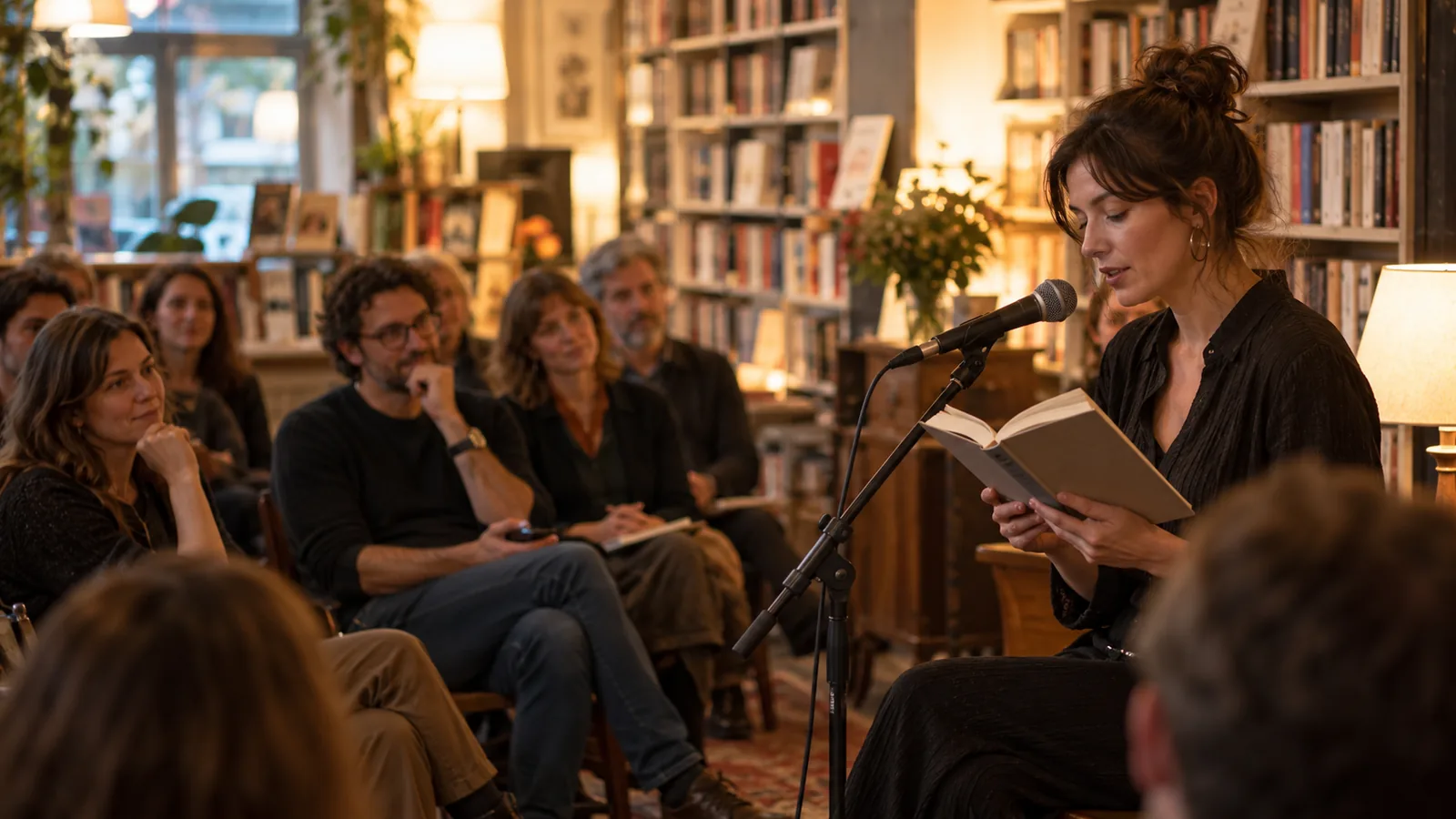
Readings depend on rhythm and nuance. Test a representative passage beforehand. For dense poetry or wordplay, a prepared professional translation may suit the content better than live AI.
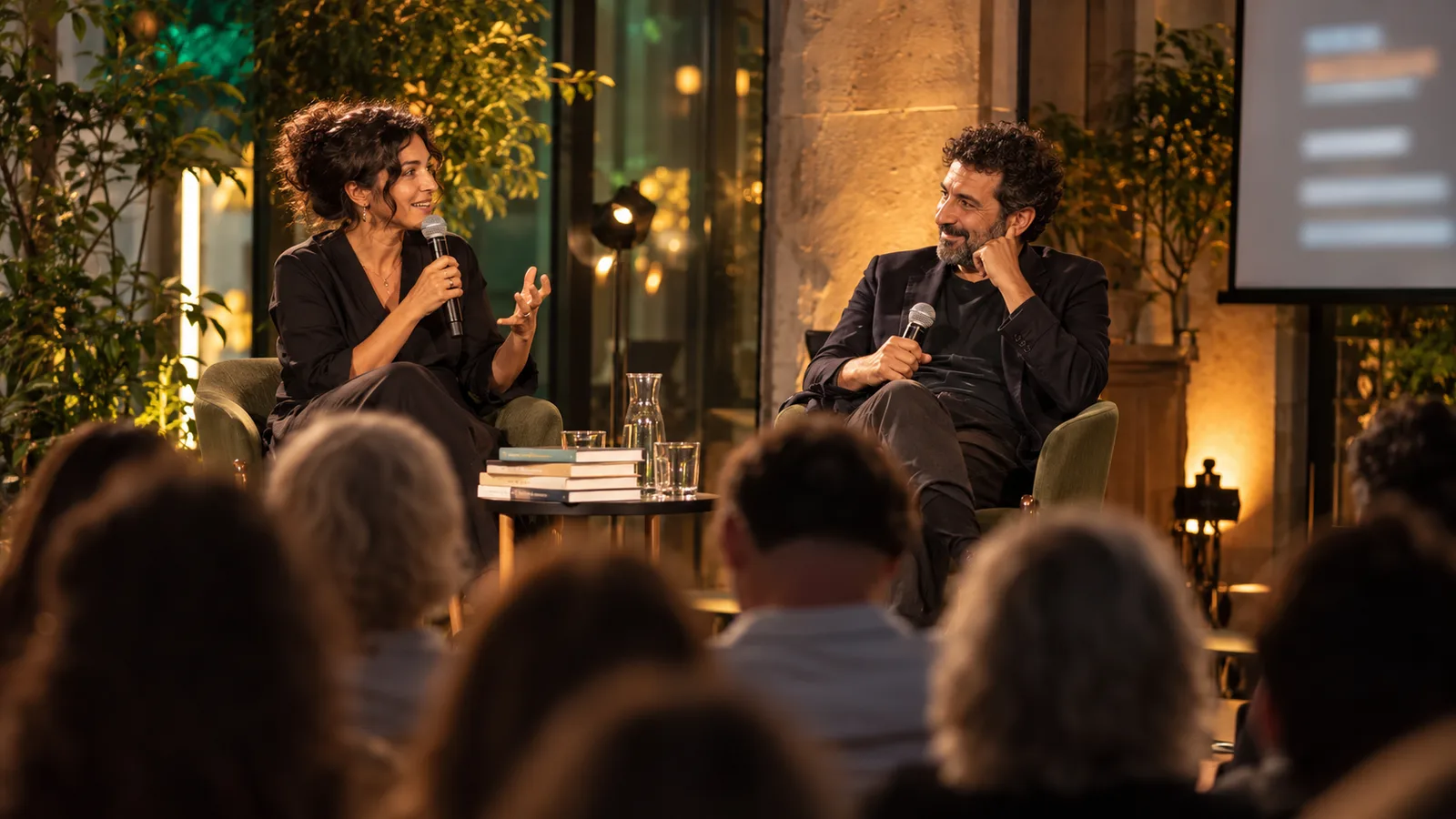
Panels need orderly speaker changes and a microphone for audience questions. During a tour, guests move around. Smartphone access may be more practical than a single screen. Check internet coverage along the route.
Set up German and Turkish in Klausi
Open Public presence → Live translation and create an event. Select German and Turkish as the language pair. The current flow detects changes within that pair and translates into the other language.
Test several sentences in German followed by Turkish. Ask someone who understands both languages to check content and display. The selected pair consists of two languages; it does not provide simultaneous output in additional languages.
What affects translation quality
Names, dialects, art terminology and mixed-language sentences can be difficult to recognize. Test content that actually appears in your programme. You can prepare specialist vocabulary and spellings in the live settings. That supports recognition without guaranteeing the result.
Avoid general accuracy percentages. A test in the actual language pair and room shows whether guests understand the text. Ask the moderator to repeat or summarize important numbers and names where needed.
Practical tips for the event
Agree how questions are introduced and microphones passed around. Leave reading time after long contributions. Allow space for longer German or Turkish wording on the display.
- Provide the programme and AI translation notice in both languages.
- Test every speaker using the intended microphone.
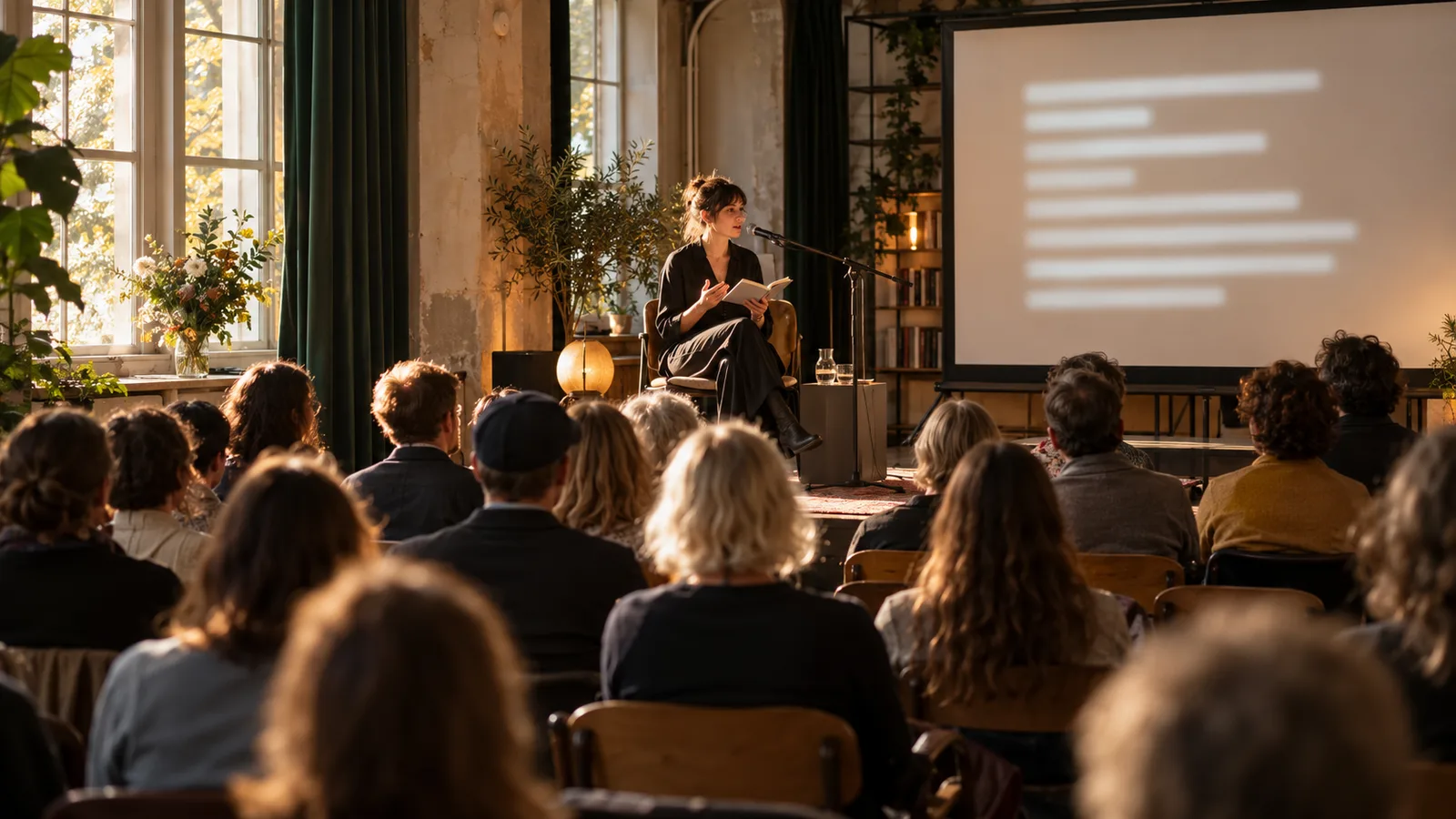
- Check the projector from the back row and the QR link on a second device.
- Ensure internet and power for the full event.
- Offer personal help to guests who cannot open the link themselves.
Budget, support and follow-up
Include the whole duration and rehearsals. Klausi offers 3 free minutes per month for testing. Longer events use one-time minute packs. Current terms are on the pricing page.
Cultural offices and funding bodies may be useful contacts for the overall project. Check their conditions before including funding in your budget. After the event, ask for feedback in both languages about translation, text pace and access.
Start with a suitable format
The bilingual cultural event guide covers more formats. For equipment, use the projector setup guide and QR access guide.
Rehearse names, characters and switches in both directions
Test Turkish characters such as ğ, ı, İ and ş alongside participants’ names. Follow a German contribution with a Turkish question, then reverse the sequence. Ask a competent speaker to assess meaning. Detecting a language switch does not guarantee an accurate translation.
For a German–Turkish reading or book launch, trial a representative literary passage separately. See the complete language list if the audience needs a different pair.